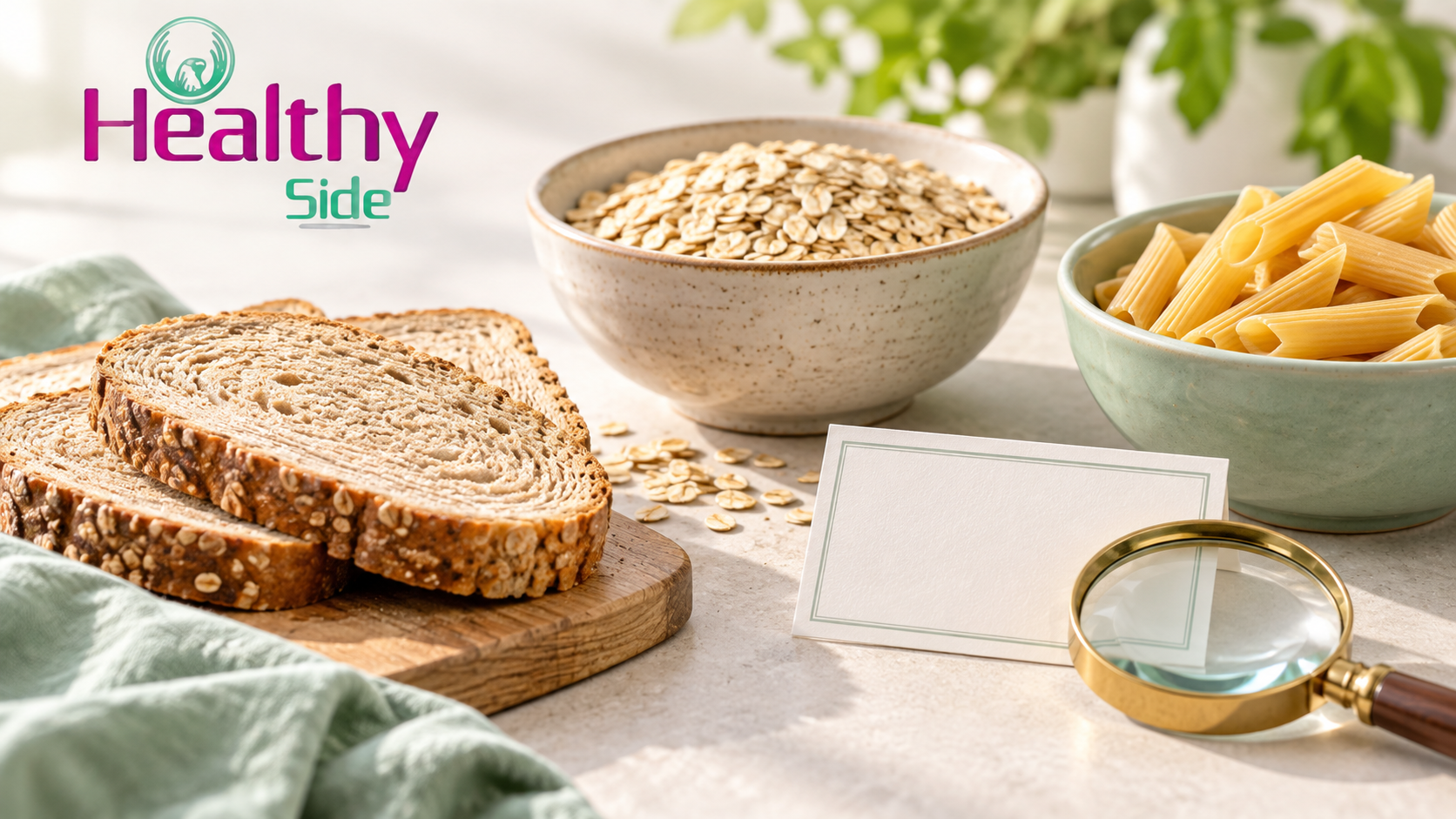

Whole Wheat Benefits: A Smart Choice for a Balanced Diet
Does choosing healthier baked goods mean giving up carbohydrates?
The answer is no. Healthy eating is not about deprivation. It is about choosing the right type and portion of carbohydrates for your individual needs. Whole wheat can be part of a balanced diet because it retains all three parts of the grain and generally provides more fiber and naturally occurring nutrients than refined wheat.
However, not every brown product is made with whole wheat, and whole wheat is not suitable for everyone.
What Is Whole Wheat?
A wheat kernel consists of three main parts:
Bran: The outer layer, which contains fiber and several nutrients.
Germ: The nutrient-rich part from which a new plant can grow.
Endosperm: The largest part of the kernel and the main source of starch.
Whole-wheat flour retains all three parts. During the production of refined white flour, the bran and germ are removed to varying degrees, reducing the amount of fiber and some naturally occurring nutrients.
Whole Wheat vs. Refined Wheat
The difference is not simply the color of the final product. It depends on how the grain is processed and which parts of the kernel remain.
Whole wheat generally:
Provides more dietary fiber.
Retains more naturally occurring nutrients.
May promote better satiety for some people.
May take longer to chew and digest than many refined flour products.
However, a product containing whole wheat is not automatically low in calories, sugar-free, or suitable for someone with diabetes. The complete ingredient list and nutrition label should always be checked.
The Main Benefits of Whole Wheat
1. It Provides Dietary Fiber
Fiber is one of the most important nutritional features of whole wheat. As part of a balanced diet, fiber can support regular bowel movements and contribute to a greater feeling of fullness after eating.
Fiber intake should be increased gradually, along with adequate water, to reduce bloating or digestive discomfort.
2. It Supports Digestive Health
Dietary fiber supports normal bowel function. Some fiber components may also be used by bacteria living in the large intestine.
Individual tolerance varies, however. People with irritable bowel syndrome or other digestive conditions may need personalized guidance from a healthcare professional.
3. It May Promote Satiety
Fiber-rich foods generally require more chewing and may take longer to digest. Whole-wheat products may therefore help some people feel satisfied for longer than certain refined flour products.
Whole wheat does not burn fat or prevent weight gain on its own. Weight management depends on total calorie intake, portion sizes, physical activity, and the overall diet.
4. It Contains Several Nutrients
Whole wheat naturally provides nutrients including:
B vitamins.
Magnesium.
Iron.
Zinc.
Selenium.
Various plant compounds.
The exact nutritional content depends on the wheat variety, processing method, and other ingredients used in the final product.
5. It Can Be a Better Alternative to Refined Grains
Research has associated higher whole-grain intake, as part of a balanced lifestyle, with better health outcomes and a lower risk of some chronic diseases.
This does not mean that a single whole-wheat product can prevent disease. The overall dietary pattern and lifestyle remain the most important factors.
Is Whole Wheat Suitable for People with Diabetes?
Whole wheat may be included in some diabetes meal plans, but it is still a source of carbohydrates and can raise blood glucose levels.
People with diabetes should consider:
Portion size.
Total carbohydrates per meal.
Fiber content.
Added sugars.
Other foods eaten during the meal.
Individual blood glucose response.
Their personalized medical nutrition plan.
The phrase “whole wheat” should not be interpreted as “carbohydrate-free” or “does not raise blood sugar.”
Is Whole Wheat Gluten-Free?
No. Whole wheat naturally contains gluten.
It is not suitable for people with celiac disease, confirmed wheat allergy, or those who have been medically advised to avoid gluten.
People with celiac disease should choose products clearly labeled gluten-free and consider the risk of cross-contact during manufacturing and preparation.
How to Identify a Genuine Whole-Wheat Product
Do not rely only on the product’s brown color. Check the ingredient list for clear terms such as:
Whole-wheat flour.
Whole wheat.
100% whole wheat, when accurately stated on the package.
You should also review the nutrition label for portion size, carbohydrates, fiber, added sugars, fat, sodium, and calories.
Simple Ways to Include Whole Wheat
You can gradually add whole wheat to your diet by:
Choosing whole-wheat bread.
Trying whole-wheat pasta.
Selecting whole-wheat baked products after checking their ingredients.
Pairing whole grains with protein and vegetables.
Paying attention to portion size.
Increasing fiber gradually while drinking enough water.
Conclusion
Whole wheat can be a practical way to increase dietary fiber and obtain more naturally occurring nutrients than refined wheat. However, it is not automatically suitable for every diet or health condition.
Read the ingredient list and nutrition label, choose an appropriate portion, and consider your individual dietary needs.
Explore the available whole-wheat options at Healthy Side and choose the products that best fit your lifestyle.
Healthy Side مش بس للدايت
Does choosing healthier baked goods mean giving up carbohydrates?
The answer is no. Healthy eating is not about deprivation. It is about choosing the right type and portion of carbohydrates for your individual needs. Whole wheat can be part of a balanced diet because it retains all three parts of the grain and generally provides more fiber and naturally occurring nutrients than refined wheat.
However, not every brown product is made with whole wheat, and whole wheat is not suitable for everyone.
What Is Whole Wheat?
A wheat kernel consists of three main parts:
Bran: The outer layer, which contains fiber and several nutrients.
Germ: The nutrient-rich part from which a new plant can grow.
Endosperm: The largest part of the kernel and the main source of starch.
Whole-wheat flour retains all three parts. During the production of refined white flour, the bran and germ are removed to varying degrees, reducing the amount of fiber and some naturally occurring nutrients.
Whole Wheat vs. Refined Wheat
The difference is not simply the color of the final product. It depends on how the grain is processed and which parts of the kernel remain.
Whole wheat generally:
Provides more dietary fiber.
Retains more naturally occurring nutrients.
May promote better satiety for some people.
May take longer to chew and digest than many refined flour products.
However, a product containing whole wheat is not automatically low in calories, sugar-free, or suitable for someone with diabetes. The complete ingredient list and nutrition label should always be checked.
The Main Benefits of Whole Wheat
1. It Provides Dietary Fiber
Fiber is one of the most important nutritional features of whole wheat. As part of a balanced diet, fiber can support regular bowel movements and contribute to a greater feeling of fullness after eating.
Fiber intake should be increased gradually, along with adequate water, to reduce bloating or digestive discomfort.
2. It Supports Digestive Health
Dietary fiber supports normal bowel function. Some fiber components may also be used by bacteria living in the large intestine.
Individual tolerance varies, however. People with irritable bowel syndrome or other digestive conditions may need personalized guidance from a healthcare professional.
3. It May Promote Satiety
Fiber-rich foods generally require more chewing and may take longer to digest. Whole-wheat products may therefore help some people feel satisfied for longer than certain refined flour products.
Whole wheat does not burn fat or prevent weight gain on its own. Weight management depends on total calorie intake, portion sizes, physical activity, and the overall diet.
4. It Contains Several Nutrients
Whole wheat naturally provides nutrients including:
B vitamins.
Magnesium.
Iron.
Zinc.
Selenium.
Various plant compounds.
The exact nutritional content depends on the wheat variety, processing method, and other ingredients used in the final product.
5. It Can Be a Better Alternative to Refined Grains
Research has associated higher whole-grain intake, as part of a balanced lifestyle, with better health outcomes and a lower risk of some chronic diseases.
This does not mean that a single whole-wheat product can prevent disease. The overall dietary pattern and lifestyle remain the most important factors.
Is Whole Wheat Suitable for People with Diabetes?
Whole wheat may be included in some diabetes meal plans, but it is still a source of carbohydrates and can raise blood glucose levels.
People with diabetes should consider:
Portion size.
Total carbohydrates per meal.
Fiber content.
Added sugars.
Other foods eaten during the meal.
Individual blood glucose response.
Their personalized medical nutrition plan.
The phrase “whole wheat” should not be interpreted as “carbohydrate-free” or “does not raise blood sugar.”
Is Whole Wheat Gluten-Free?
No. Whole wheat naturally contains gluten.
It is not suitable for people with celiac disease, confirmed wheat allergy, or those who have been medically advised to avoid gluten.
People with celiac disease should choose products clearly labeled gluten-free and consider the risk of cross-contact during manufacturing and preparation.
How to Identify a Genuine Whole-Wheat Product
Do not rely only on the product’s brown color. Check the ingredient list for clear terms such as:
Whole-wheat flour.
Whole wheat.
100% whole wheat, when accurately stated on the package.
You should also review the nutrition label for portion size, carbohydrates, fiber, added sugars, fat, sodium, and calories.
Simple Ways to Include Whole Wheat
You can gradually add whole wheat to your diet by:
Choosing whole-wheat bread.
Trying whole-wheat pasta.
Selecting whole-wheat baked products after checking their ingredients.
Pairing whole grains with protein and vegetables.
Paying attention to portion size.
Increasing fiber gradually while drinking enough water.
Conclusion
Whole wheat can be a practical way to increase dietary fiber and obtain more naturally occurring nutrients than refined wheat. However, it is not automatically suitable for every diet or health condition.
Read the ingredient list and nutrition label, choose an appropriate portion, and consider your individual dietary needs.
Explore the available whole-wheat options at Healthy Side and choose the products that best fit your lifestyle.
Healthy Side مش بس للدايت
فوائد القمح الكامل، دقيق القمح الكامل، مخبوزات القمح الكامل، الفرق بين القمح الكامل والدقيق الأبيض، القمح الكامل والسكري، هل القمح الكامل يرفع السكر، القمح الكامل والدايت، هل القمح الكامل خالي من الجلوتين، فوائد الحبوب الكاملة، خبز القمح الكامل.